
The kennel journal
Active and Happy: Essential Exercises for the Pomsky
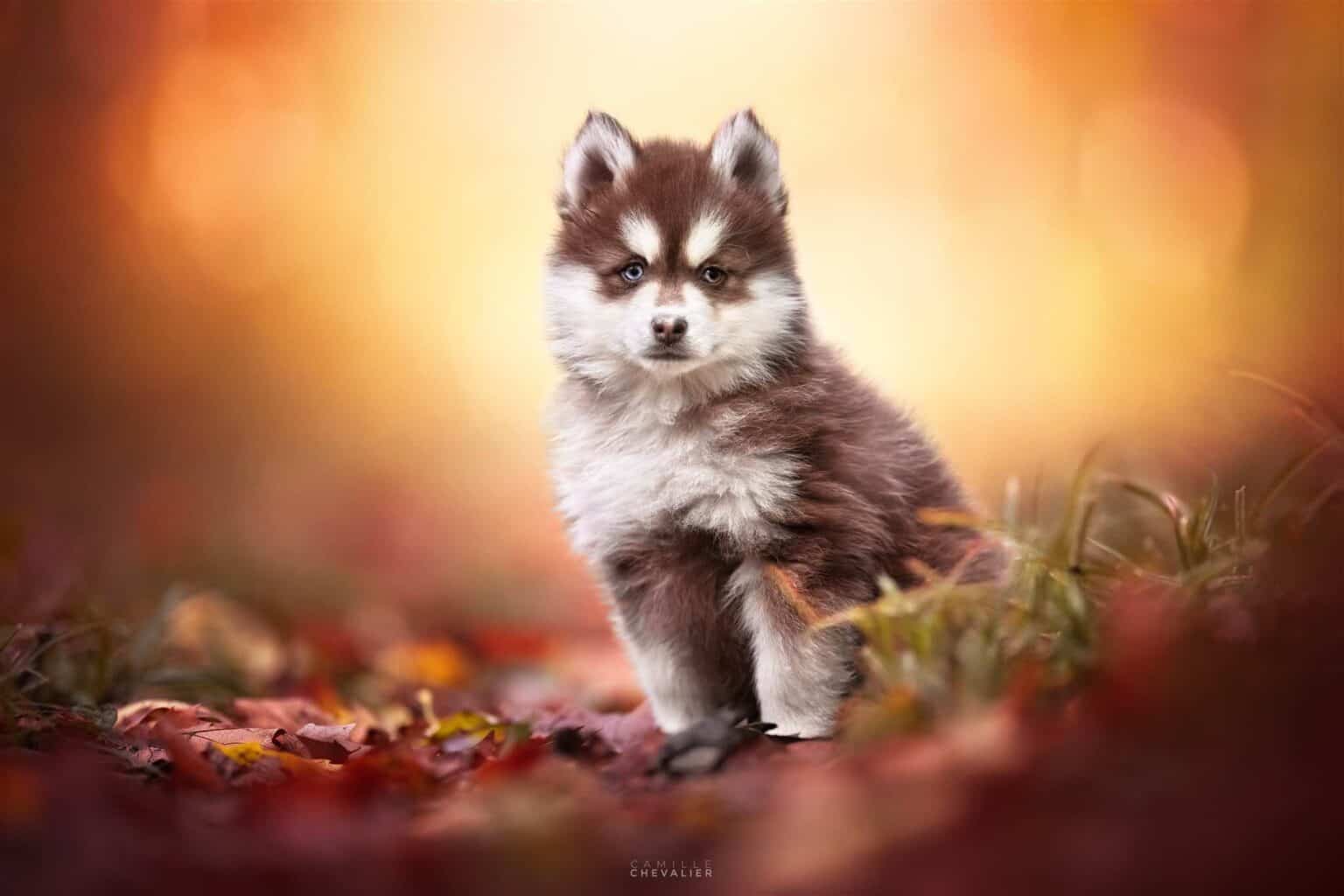
Pomskies, those delightful hybrids of Siberian Huskies and Pomeranians, bring an inexhaustible source of energy and enthusiasm to any household. To ensure their general health and wellbeing, it is essential to fully meet their need for exercise. In this article we will explore the importance of providing Pomskies with enough exercise, the ideal exercise routine, and the various activities that can keep them engaged both physically and mentally.
Understanding your Pomsky’s exercise needs
Pomskies inherit their energy level from both parent breeds, the Siberian Husky and the Pomeranian. The result is a dog with a strong desire for physical activity and play. Neglecting their exercise needs can have harmful consequences for their health, such as obesity, behavioural problems and general unease. On the other hand, too much exercise can also cause strain and injury. Striking the right balance is essential to maintaining their wellbeing.
Types of exercise for your Pomsky
Outdoor activities are an excellent way of keeping your Pomsky physically active and engaged. Regular walks, hikes and games in the park let them explore their surroundings and burn off energy. What is more, indoor games and activities can be just as stimulating, especially in bad weather.
Combining mental exercise with physical activity is essential to a well-balanced exercise routine for the Pomsky. Although they have plenty of energy, Pomskies are also highly intelligent dogs that can rise to mental challenges. Offering them mental stimulation is just as important as giving them physical exercise. Mental exercise prevents boredom and helps stimulate their intelligence, reducing the risk of destructive behaviour.
Types of puzzles and games
There are several types of puzzles and games that can stimulate a Pomsky’s mind. Interactive puzzles are excellent choices, because they call for problem-solving skills and offer a rewarding experience as the puzzles are solved. These toys often involve treats hidden in compartments, or puzzles your Pomsky has to solve in order to get the treats.
Obedience training and tricks
Obedience training not only promotes discipline and good behaviour, it also serves as a form of mental exercise. By teaching your Pomsky commands such as “sit”, “stay”, “come” and “leave”, you provide mental stimulation as they learn and perform these tasks. Including tricks such as “spin”, “paw” or “play dead” can also sharpen their intelligence and strengthen the bond between you and your four-legged friend.
Exercise schedule and consistency
Now that we understand the importance of physical and mental exercise, let us look more closely at the importance of maintaining a consistent exercise schedule for your Pomsky.
Pomskies thrive on habit and predictability. Establishing a consistent exercise programme helps them know what to expect and when. It also creates a sense of security and reduces anxiety. When they can anticipate their daily exercise sessions, they are less likely to become restless or to display behavioural problems caused by boredom.
Recommended frequency and duration
The frequency and duration of your Pomsky’s exercise sessions depend on various factors, including their age, their health and their energy level. As a general rule, aim for at least 30 to 60 minutes of exercise a day for adult Pomskies. For puppies, exercise sessions can be shorter and more frequent, to avoid overexertion.
Adapting exercise routines to your Pomsky’s age
As your Pomsky gets older, their exercise needs may change. Puppies have boundless energy and may need more playtime to tire themselves out, while larger Pomskies may need gentler exercise to avoid strain or stiffness. Pay attention to your dog’s signals and adapt their exercise routine accordingly, to keep them comfortable and happy. While exercise is necessary, safety must always be a priority. So here are a few precautions to bear in mind during your Pomsky’s exercise sessions. First, remember that Pomskies have a thick coat that makes them prone to overheating, especially in hot weather. So avoid exercising them during the hottest hours of the day, and never forget to take water with you to keep them hydrated. Second, watch for signs of exhaustion, such as excessive panting, heavy drooling or lagging behind on walks. If you notice these signs, take the time to stop, find a shaded spot and offer them water to cool down. Your Pomsky’s safety is essential to keeping exercise an enjoyable, beneficial experience.
Tips for ensuring a safe exercise environment
When walking or hiking with your Pomsky, make sure they are always on a lead and under control. Pomskies tend to have a strong prey drive, and their curiosity can lead them to chase small animals. Keeping them on a lead prevents potential accidents or escapes. In addition, use a lead and a sturdy collar or harness that fits them comfortably, to avoid accidental slips.
Pomskies are sociable, affectionate dogs, which makes social interaction an essential part of their exercise programme. Playing with other dogs can bring many benefits to their physical and mental wellbeing.
The role of social interaction
Interacting with other dogs lets your Pomsky develop important social skills and learn dog-to-dog communication. Regular socialisation can prevent behavioural problems such as aggression or fear towards other dogs or people. What is more, social play offers an outlet for their high energy level, reducing the risk of restlessness or boredom.
The benefits of dog parks and play dates
Dog parks and organised play dates are excellent places for your Pomsky to interact with other dogs in a safe, controlled environment. Dog parks offer a large space for running and playing ball, letting your Pomsky burn off excess energy and take part in stimulating activities. Play dates with other well-socialised dogs can also be an excellent option if you do not have access to a dog park.
Appropriate etiquette and precautions
Although social play is beneficial, it is essential to observe appropriate etiquette and take the necessary precautions to ensure a positive experience for everyone involved. Always supervise play and pay attention to your Pomsky’s behaviour and body language. If your Pomsky shows signs of unease or becomes overwhelmed, take a break and give them space. Also avoid confrontations with aggressive or overly dominant dogs.
Tapping into your Pomsky’s natural instincts
Pomskies inherit various natural instincts from their parent breeds, the Siberian Husky and the Pomeranian. Understanding those instincts and including exercises that mirror them can give your Pomsky fulfilling, enjoyable activities.
Fetch and retrieve games
The Siberian Husky’s hunting instincts make throwing and retrieving games particularly appealing to Pomskies. Throwing a ball or a favourite toy for them to retrieve satisfies their instinctive need and provides excellent physical exercise. These games are also an excellent opportunity to reinforce obedience training and recall commands.
Tug of war
Tug of war taps into your Pomsky’s instinctive urge to chase and strengthens their jaw muscles. It is a fun, interactive game that lets you bond with your dog while providing stimulating physical activity. Remember to establish clear rules and limits during this game, to avoid developing unwanted behaviours such as resource guarding.
Agility training
Agility training is a dynamic, exhilarating activity that suits a Pomsky’s high energy level and sharp intelligence perfectly. This dog sport involves navigating a demanding obstacle course, including tunnels, jumps, weave poles, A-frames and more. Not only does it provide essential physical exercise, it is also an excellent opportunity for mental stimulation and problem-solving.
By setting up an agility course in your garden or taking part in agility classes, you will see your Pomsky’s eyes light up with excitement. The agility course represents a thrilling challenge that taps into the natural instincts inherited from their parent breeds. The Siberian Husky’s heritage as a sled dog and the Pomeranian’s working past come together perfectly in the fast-paced, exhilarating world of agility.
Agility training requires your Pomsky to jump over obstacles, run through tunnels, weave gracefully between poles and overcome various obstacles. These movements improve their coordination, their balance and their flexibility, promoting a healthy, agile physique. What is more, the mental aspects of agility, such as memorising the sequence of the course and obeying your commands, keep their mind sharp and active.
Agility training is not only a way of honing your Pomsky’s skills; it is also a rewarding experience for you both. As you guide your dog through the course, you will develop better communication and understanding. The trust and cooperation between you and your four-legged companion will grow as you work as a team to meet the challenges of agility.
The role of exercise in managing behavioural problems
Regular exercise plays a crucial role in managing the common behavioural problems Pomskies can display if their energy needs are not met. Boredom and pent-up energy can lead to destructive behaviour, excessive barking, digging or other unwanted habits. Engaging your Pomsky in a consistent exercise routine helps prevent these problems and promotes a calmer, better-behaved dog.
Techniques for making exercise enjoyable
To make exercise enjoyable for both you and your Pomsky, consider incorporating positive reinforcement. Praise and rewards can motivate your dog during training sessions and physical activities. Also use toys or treats as incentives for successfully completing exercises and commands.
Positive reinforcement creates a positive association with exercise and obedience. When your Pomsky receives praise and rewards for their efforts, they will be more enthusiastic about taking part in future exercise and training sessions. Positive reinforcement is a powerful tool for shaping desired behaviours and strengthening your dog’s enthusiasm for exercise.
Pomsky exercise challenges and their solutions
Although regular exercise is essential to a happy, healthy Pomsky, it is common to encounter certain challenges in keeping them engaged and active. Let us explore a few common exercise challenges and the strategies for overcoming them.
Reluctance to exercise
Some Pomskies may show reluctance or resistance when it comes to exercise, especially if they are not used to regular physical activity. If your Pomsky seems uninterested or unenthusiastic, start slowly and gradually increase the intensity and duration of the exercise. Use positive reinforcement and rewards to encourage their participation and make exercise sessions enjoyable.
Hyperactivity
On the other hand, some Pomskies may display hyperactive behaviour, which makes it difficult for them to take part in structured exercise. In such cases, consider activities that let them burn off their excess energy, such as vigorous play, running or agility training. Taking part in high-energy activities can help them channel their enthusiasm into productive, enjoyable exercise.
Weather constraints
Weather conditions can sometimes limit opportunities for outdoor exercise, particularly in very hot or cold weather or in bad conditions. On days when outdoor activities are not possible, favour indoor exercise, mentally stimulating games and interactive play. Puzzle toys, hide and seek, or learning new tricks can be excellent indoor alternatives.
Difficulties with exercise
If your Pomsky shows persistent reluctance or unusual behaviour during exercise, it is essential to address the issue promptly. Such difficulties may indicate underlying health problems or discomfort. In that case, consult a vet to rule out any medical issue. In addition, consider seeking the help of a professional dog trainer or behaviourist to identify and resolve any behavioural problems.
Exercise and ageing
As your Pomsky gets older, their exercise needs may change. Although they may no longer have the same energy level as when they were younger, it is essential to keep them active in order to preserve their overall health and mobility. Opt for low-impact exercise that is gentle on their joints, such as short walks, swimming or quieter games.
Mental stimulation for older Pomskies
As Pomskies age, they may be less physically active, but they still need mental stimulation. Adapt the types of mental exercise to their age and abilities. Simple puzzle toys, scent games and gentle obedience training can keep their mind sharp and engaged.
When to seek professional help
If you encounter persistent challenges in engaging your Pomsky in exercise, or if you notice sudden changes in behaviour, it can be beneficial to seek professional help. A certified dog trainer or behaviourist can offer specialist advice tailored to your Pomsky’s specific needs and temperament.
Regular, varied exercise is essential to maintaining your beloved Pomsky’s happiness and wellbeing. By understanding and meeting their exercise needs, you can ensure their physical and mental health. Moreover, by taking part in a variety of activities and providing a safe, loving environment, you will not only make your Pomsky happy but will also strengthen the bond you share. It is therefore essential to prioritise their exercise routine and to enjoy the immense joy and benefits of an active lifestyle with your faithful, energetic Pomsky companion.
Unleash the fun with your Pomsky puppy! Discover exciting activities right now.